Opening a personal bank account as a new immigrant: the hardest step for me
· 3 min read
People think forming a company is the hard part. For me it was the opposite. The LLC took 20 minutes online. My first personal bank account in the US was the hardest piece of paperwork in my first year.
Not because the bank was unfriendly. Because I had just arrived, and almost nothing in the US had my name on it yet.
My timeline
- July 3, 2026: I arrived in the US
- Late August: My Social Security card arrived
- August 25: My first personal checking account was opened (about 7 weeks after arriving)
What the bank asked for
This is what my bank wanted before it would open a simple checking account:
- A Social Security number.
- My marriage certificate.
- Two utility bills from my wife's address.
- My wife, in person, at the bank. They wanted to hear from her that I live with her.
Each one has a reason. Once I understood the reasons, it was much less frustrating.
Why the SSN
US banks have to identify every customer and report interest income to the IRS. The SSN does both. Some banks accept an ITIN or a passport instead, but many local banks simply ask for an SSN. If you do not have one yet, ask the bank first. Do not assume.
Why proof of address is so hard for newcomers
The bank must confirm where you live. The normal proof is a utility bill or a lease in your name.
The problem: when you are new, you have none. The electric bill, the internet, the house, all of it was in my wife's name. On paper, I lived nowhere.
So the bank built the chain another way:
- The bills prove that the address is real and that my wife lives there.
- The marriage certificate proves that I am connected to her.
- My wife, in person, confirms that I actually live there with her.
Three pieces together did the job of one bill in my name.
What it felt like
Honestly, it felt a bit uncomfortable. Bringing your spouse to the bank to say "yes, he lives with me" is not something you expect to do as an adult. But the people at the bank were kind about it. They were not doubting me personally. They have a checklist, and I did not fit the normal boxes.
If you are married and new, prepare your spouse for this. Pick a time when both of you can go together.
How to make it easier
- Call the bank before you go. Ask: "I am new in the US and I have no bills in my name. What do you accept as proof of address?" Each bank has a different answer.
- Bring more than they ask for. Passport, work permit, SSN card, marriage certificate, a lease if you have one, bills, any letter from a government office with your name and address.
- Bring the original marriage certificate, and a translation if it is not in English.
- Get one thing in your name quickly. A phone plan, a lease, or a utility account in your name makes every next step easier: the bank, the driver's license, credit cards.
- Official mail counts. Letters from USCIS, the Social Security Administration or the IRS with your address can help at some places.
It paid off later
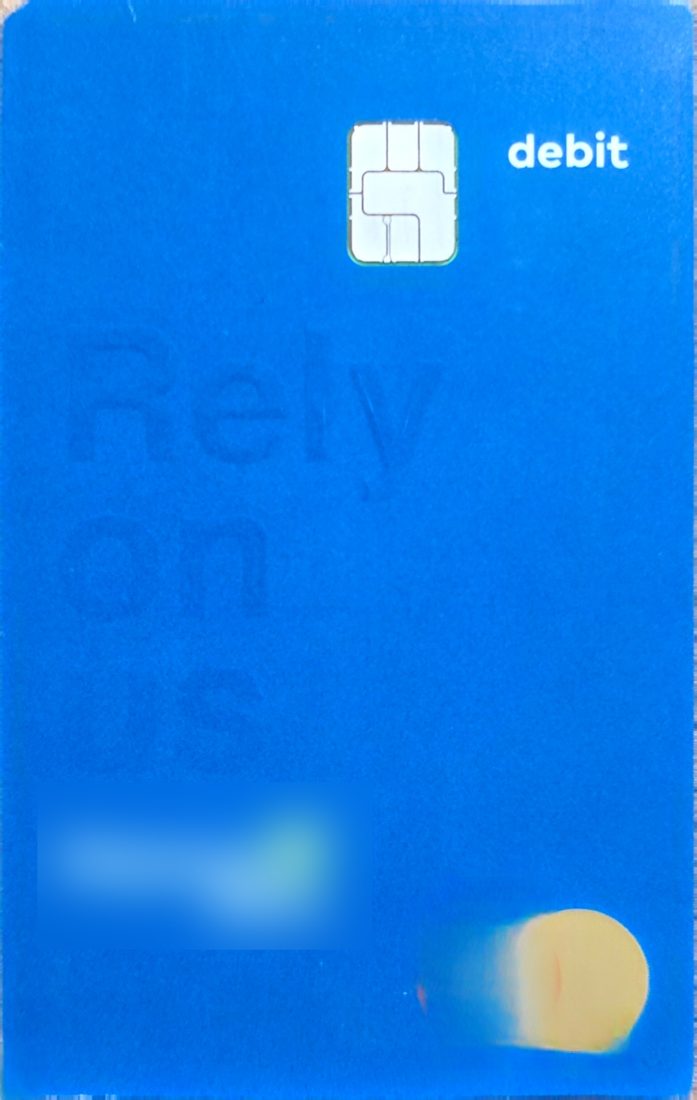
Once I had that first account, everything after it was easier. When I needed a business account for my company a few months later, I went to the same bank. They already knew me. I wrote about it here: Opening a business bank account as an immigrant. The account was also the first step toward my first credit card: My first US credit card with no credit history.
Summary
- My bank wanted an SSN, the marriage certificate, two bills from my wife's address and my wife in person.
- The reason: banks must prove where you live, and newcomers have nothing in their own name.
- Call ahead, bring extra documents, and get at least one bill or lease in your name as soon as you can.
Going through the same thing? If you are stuck on this step and need help, send me a message. I read every one.
Write to me or use another email app
I am not a lawyer or an accountant. This is my own experience, written down as it happened. Rules change and every case is different, so check with the official source or a professional.